ELECTRONICS & ELECTRICAL MATERIALS
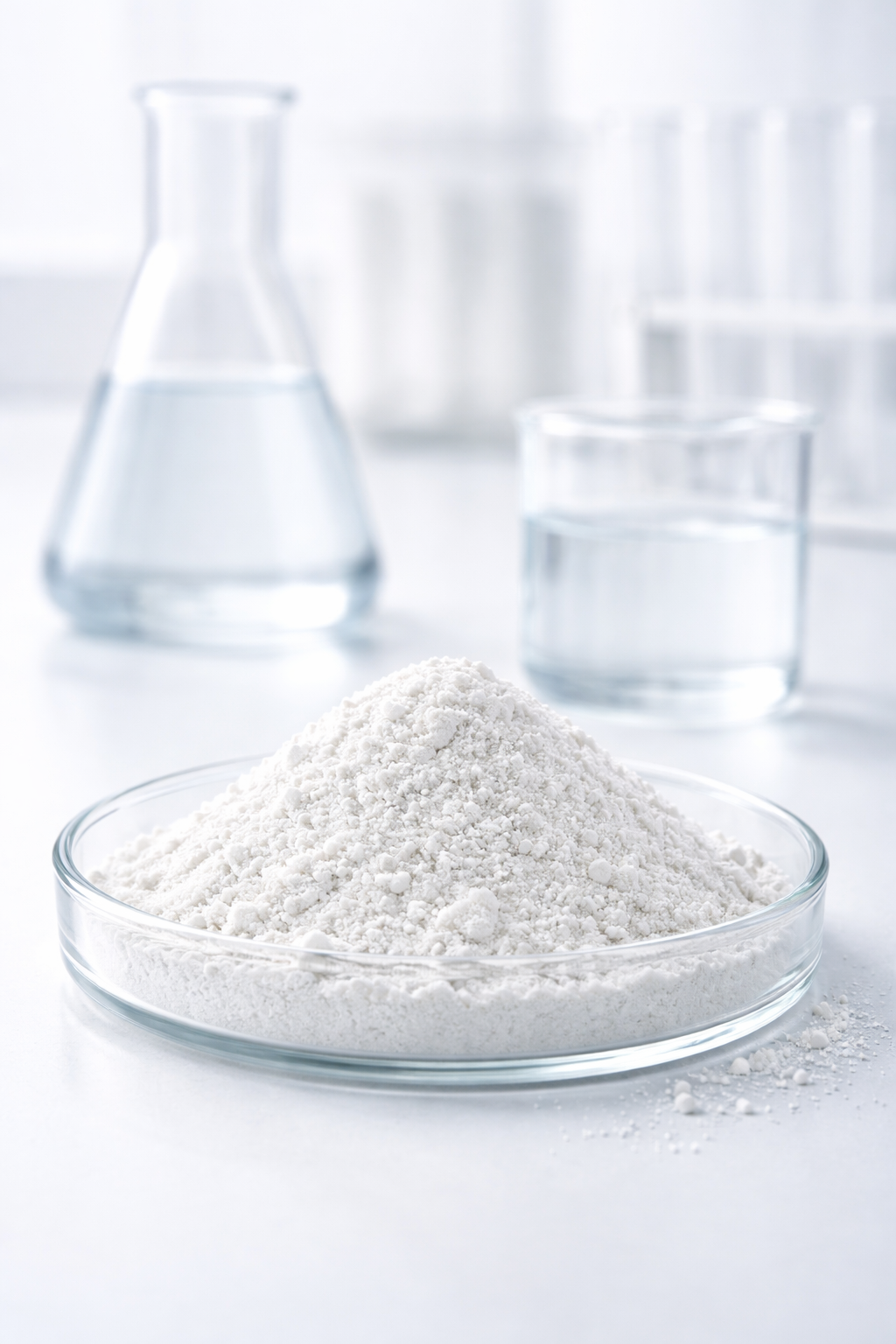
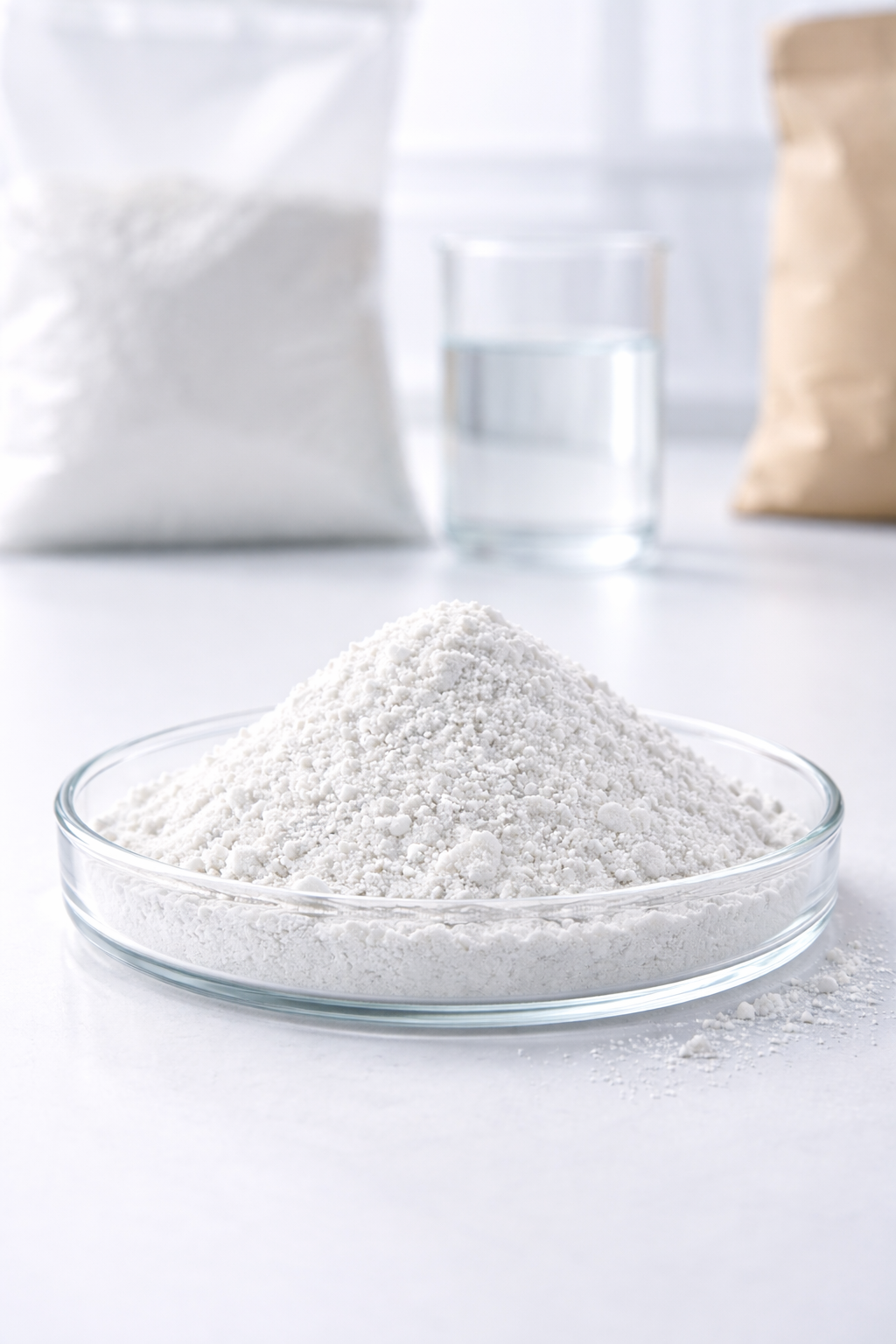
Zinc oxide is widely used in electronics and electrical materials as a functional ceramic material, enabling controlled electrical behaviour, thermal stability and reliable device performance.Zinc oxide for electronics is applied in electronic ceramics, varistors and functional components where precise material properties and consistent processing are critical.High purity and controlled particle characteristics ensure stable electrical performance, reliable sintering behaviour and consistent quality in advanced electronic applications.Zinc oxide electronic materials support stable conductivity, controlled resistivity and reliable performance in electronic and electrical components.
Key Requirements
Ultra-High Purity
Electronic applications require zinc oxide with extremely low impurity levels to prevent contamination effects and ensure stable electrical properties.
Controlled Particle Structure
Defined particle morphology and narrow particle size distribution support controlled sintering behaviour and consistent electrical characteristics.
Thermal Stability
Zinc oxide must remain stable during high-temperature ceramic processing and sintering, ensuring reliable material structure and electrical performance.
Reproducible Electrical Performance
Consistent material properties are essential to achieve predictable electrical behaviour in electronic components and ensure device reliability.
Typical Properties
Zinc oxide for electronics and electrical materials is characterized by ultra-high purity, controlled particle size distribution and stable sintering behaviour. It supports reliable electrical performance, controlled conductivity and consistent material properties in electronic ceramic applications.
- Regulatory Sensitivity
- Non-regulated