CHEMICAL & PROCESS INDUSTRIES
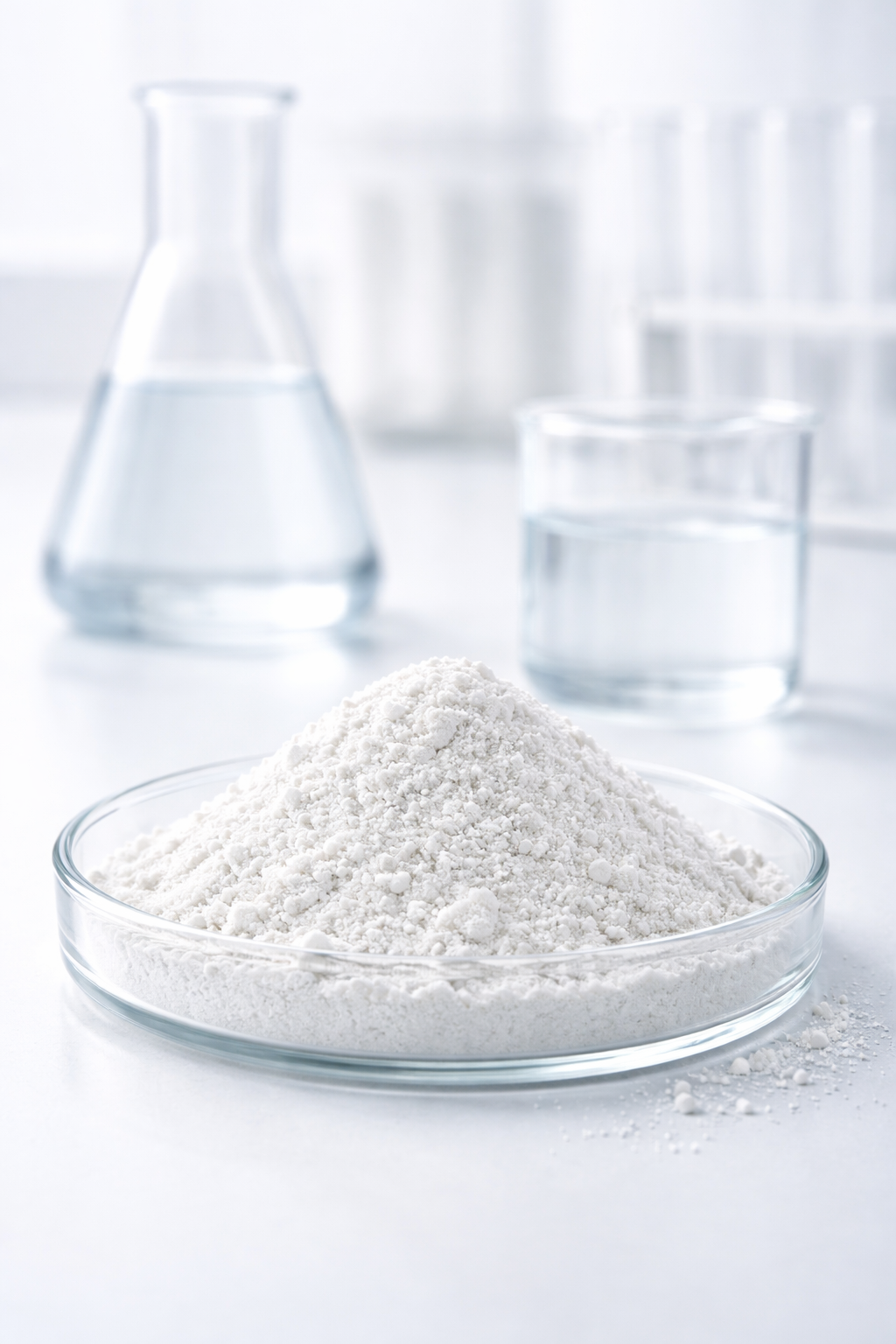
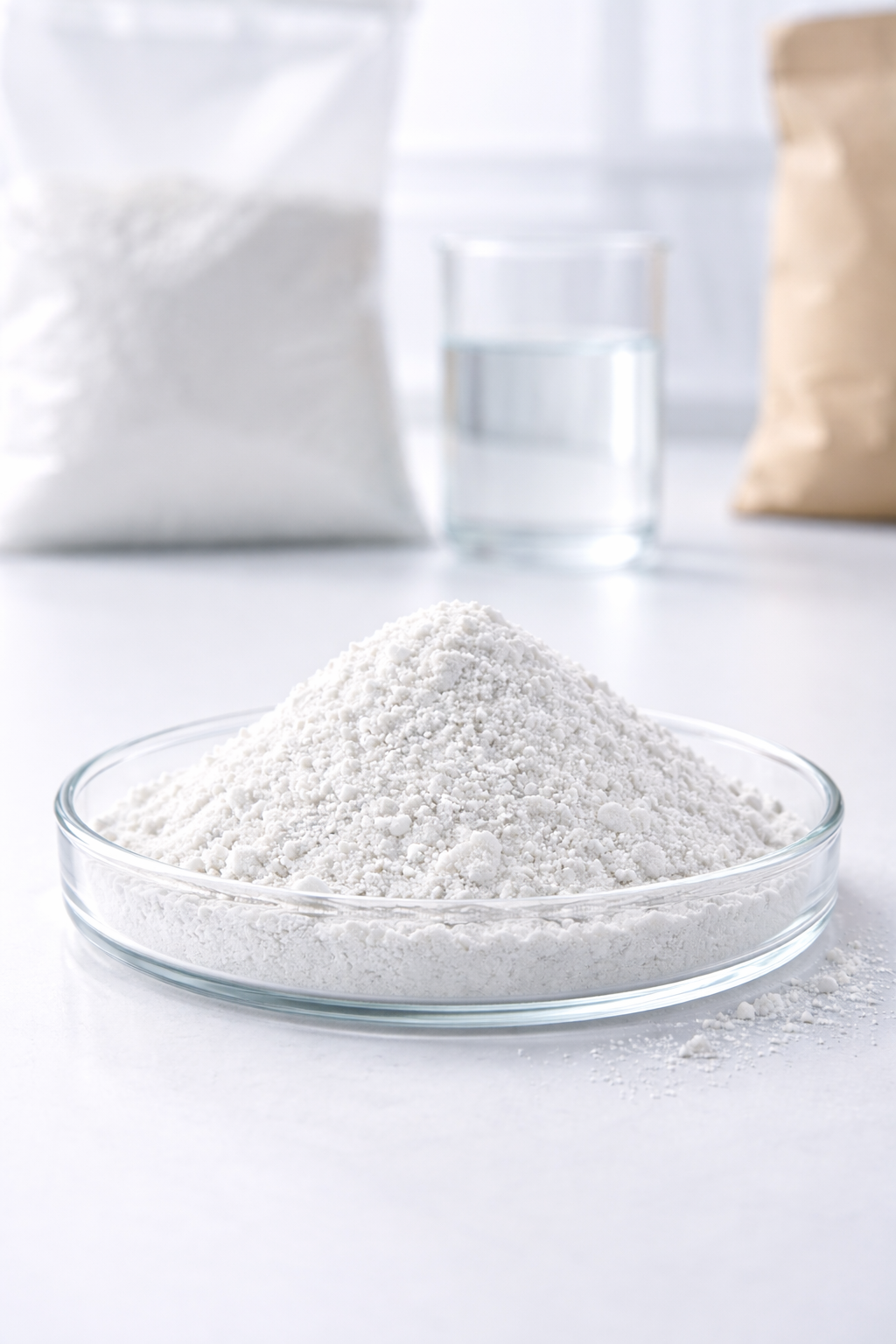
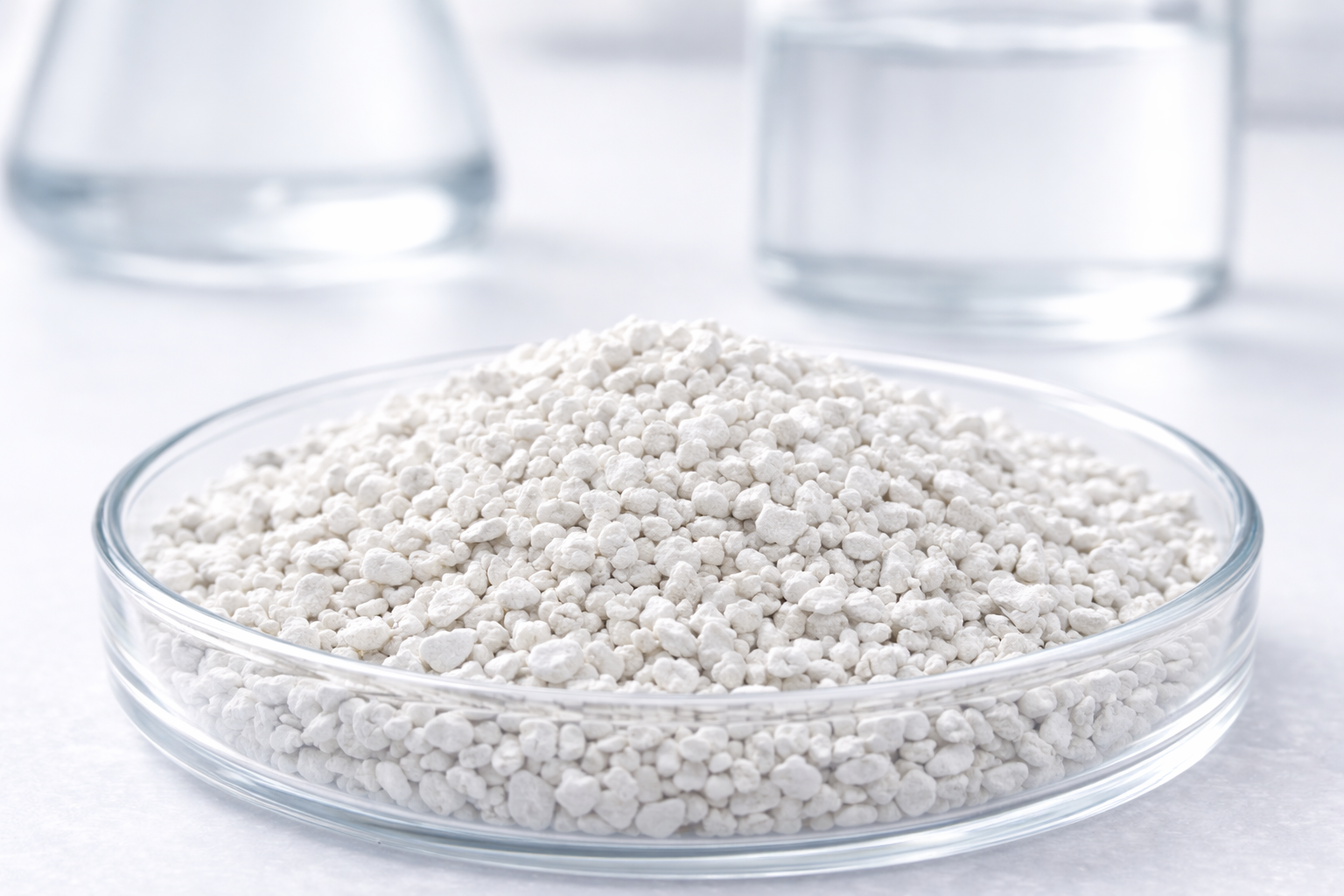
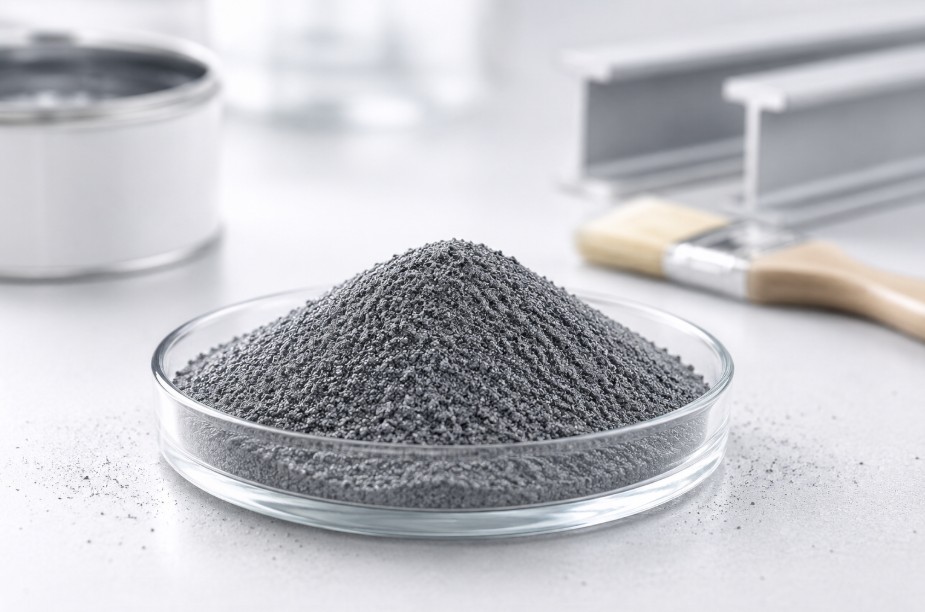
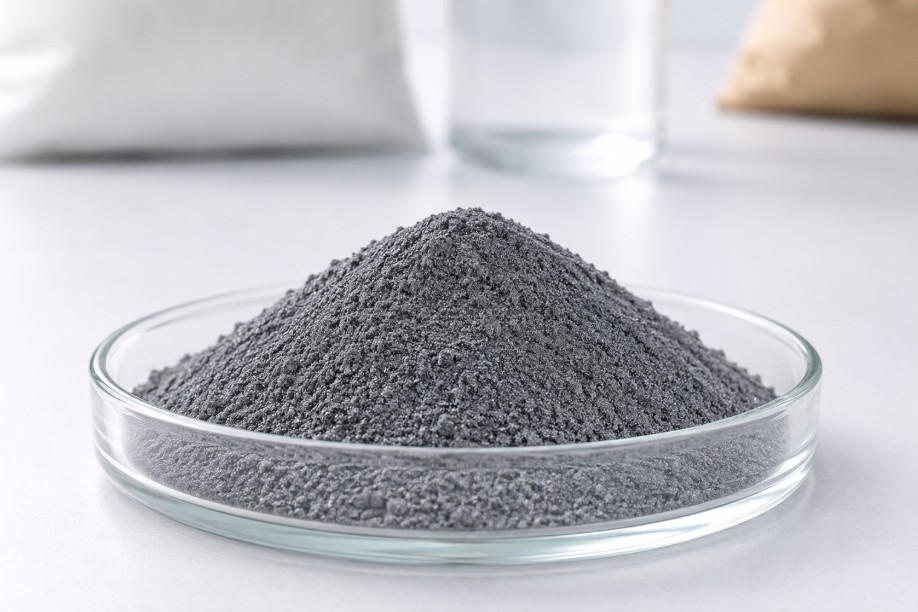
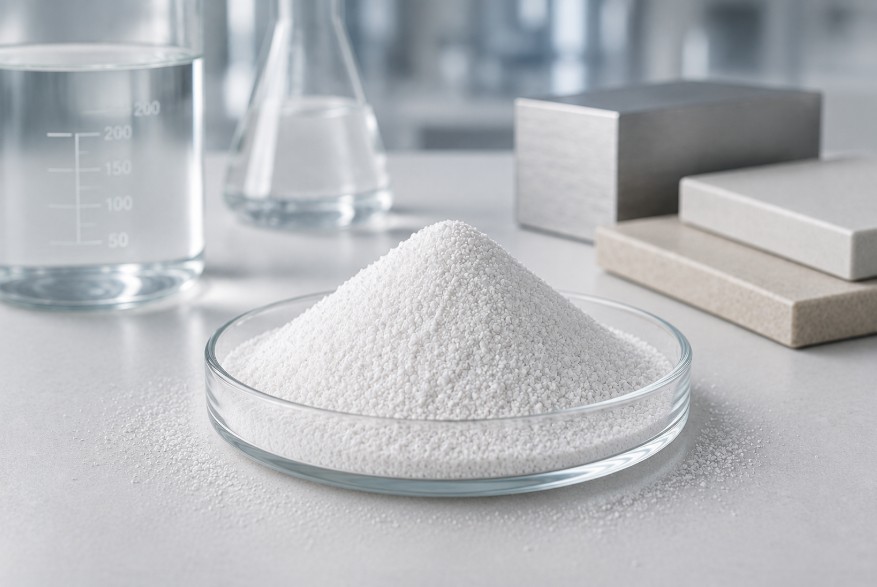
Zinc-based materials are widely used across chemical and process industries as functional materials, intermediates and process additives. Depending on the application, different zinc chemistries and physical forms provide specific properties such as reactivity, solubility, purity and particle characteristics.OXIZINC offers a broad portfolio including ZINC OXIDE, FINE ZINC DUST, ZINC SULPHATE and ZINC ACETATE, providing different zinc solutions for a wide range of industrial processes and specialty chemical applications.From chemical synthesis and reaction processes to functional additives and specialty formulations, the appropriate zinc source can be selected according to the technical requirements of the process. Controlled quality, consistent specifications and reliable supply support reproducible performance in demanding industrial environments.
Key Requirements
Controlled Chemical Reactivity
Zinc oxide provides predictable reactivity in chemical processes, enabling stable reaction control and consistent performance in industrial formulations.
Application-Specific Grade Selection
Different chemical processes require tailored zinc oxide grades with specific purity levels, particle characteristics and surface properties to optimize reaction behaviour and formulation stability.
Reliable Supply & Technical Documentation
Different chemical processes require tailored zinc oxide grades with specific purity levels, particle characteristics and surface properties to optimize reaction behaviour and formulation stability.
Controlled Impurity Profile
Low and controlled impurity levels minimize contamination risks and ensure stable reaction behaviour in sensitive chemical processes.
Typical Properties
Zinc oxide for chemical applications typically offers high purity with controlled trace elements and defined particle morphology. It supports stable reactivity, consistent formulation performance and reproducible results in industrial chemical processes.
- Regulatory Sensitivity
- Non-regulated