RUBBER & ELASTOMERS
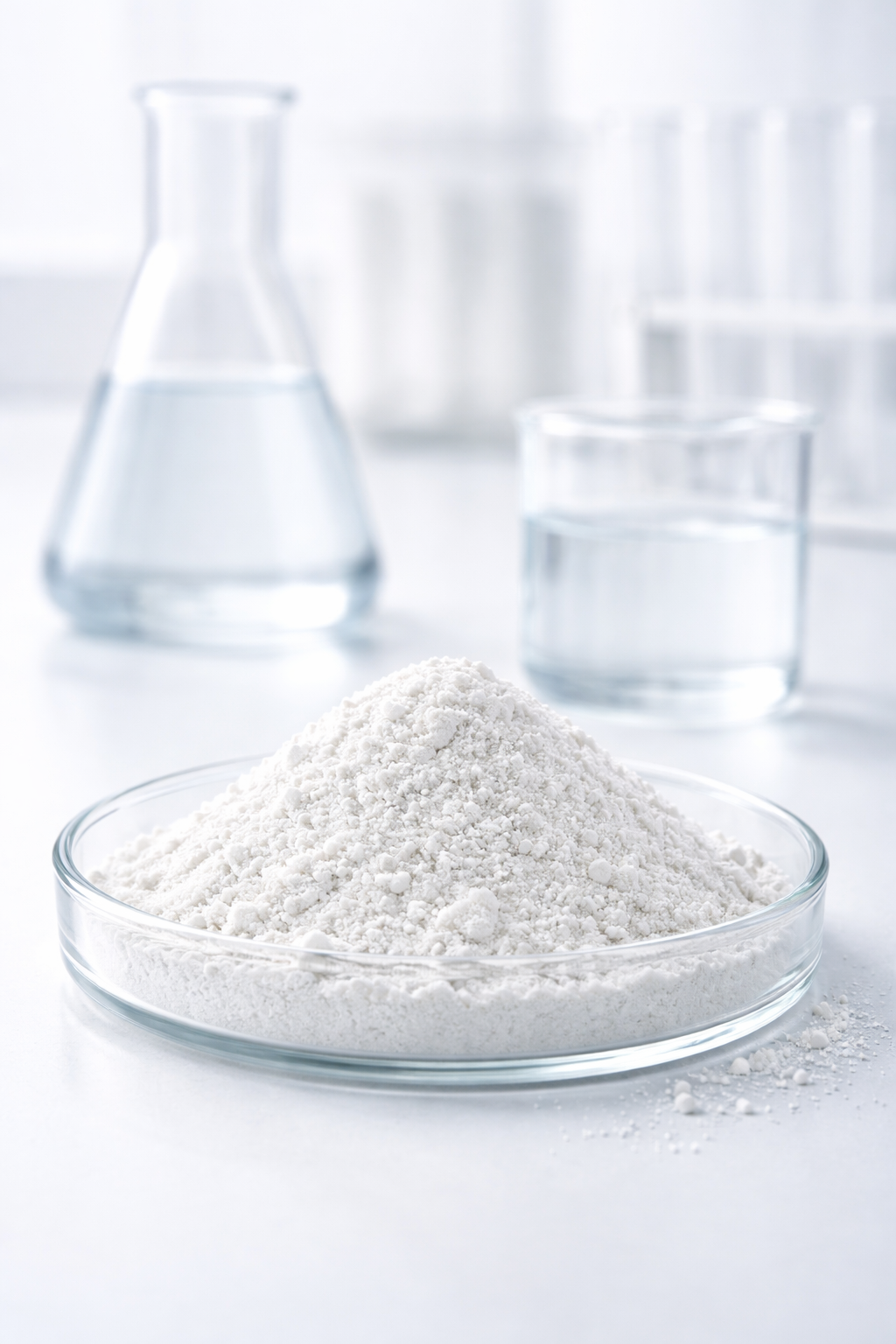
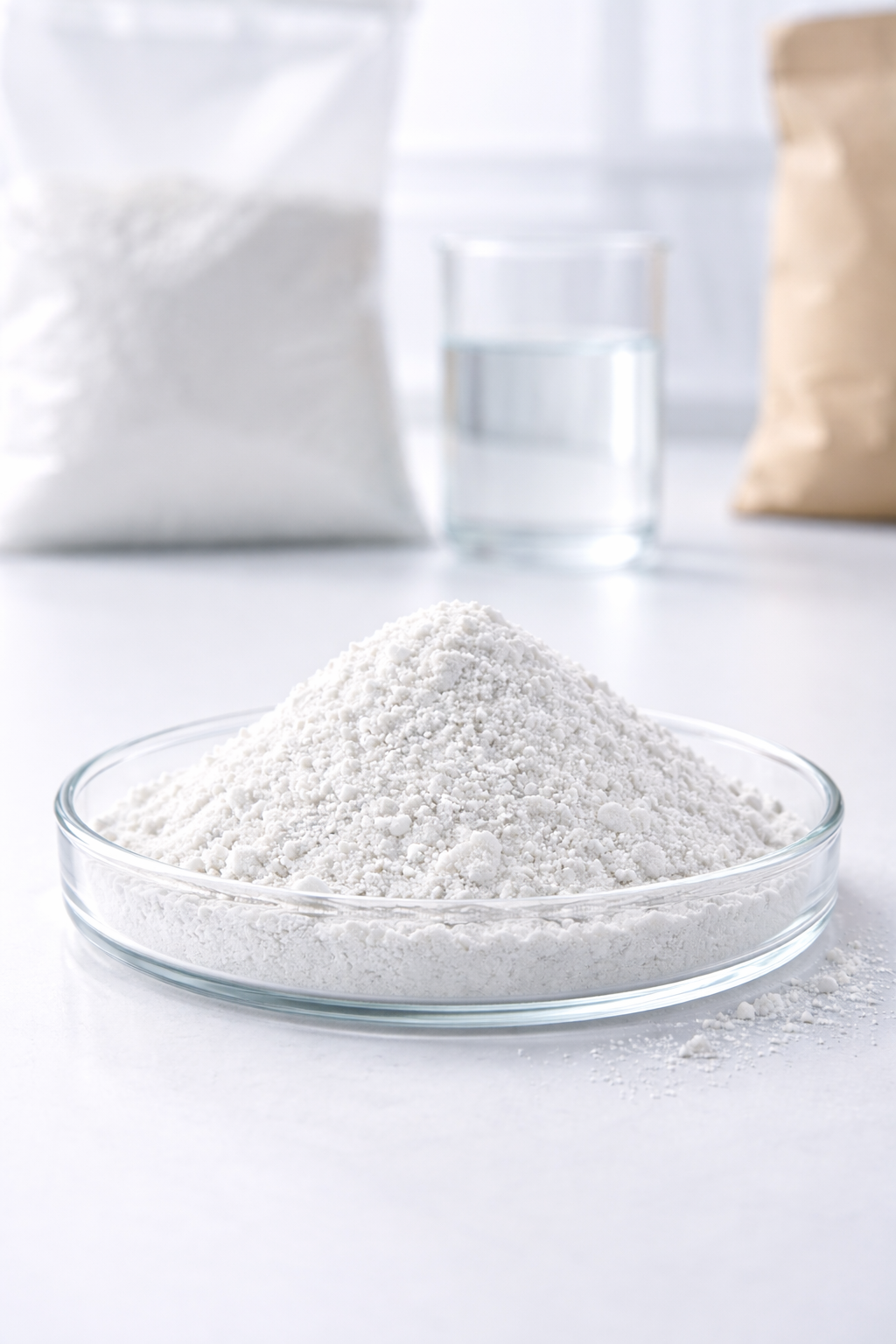
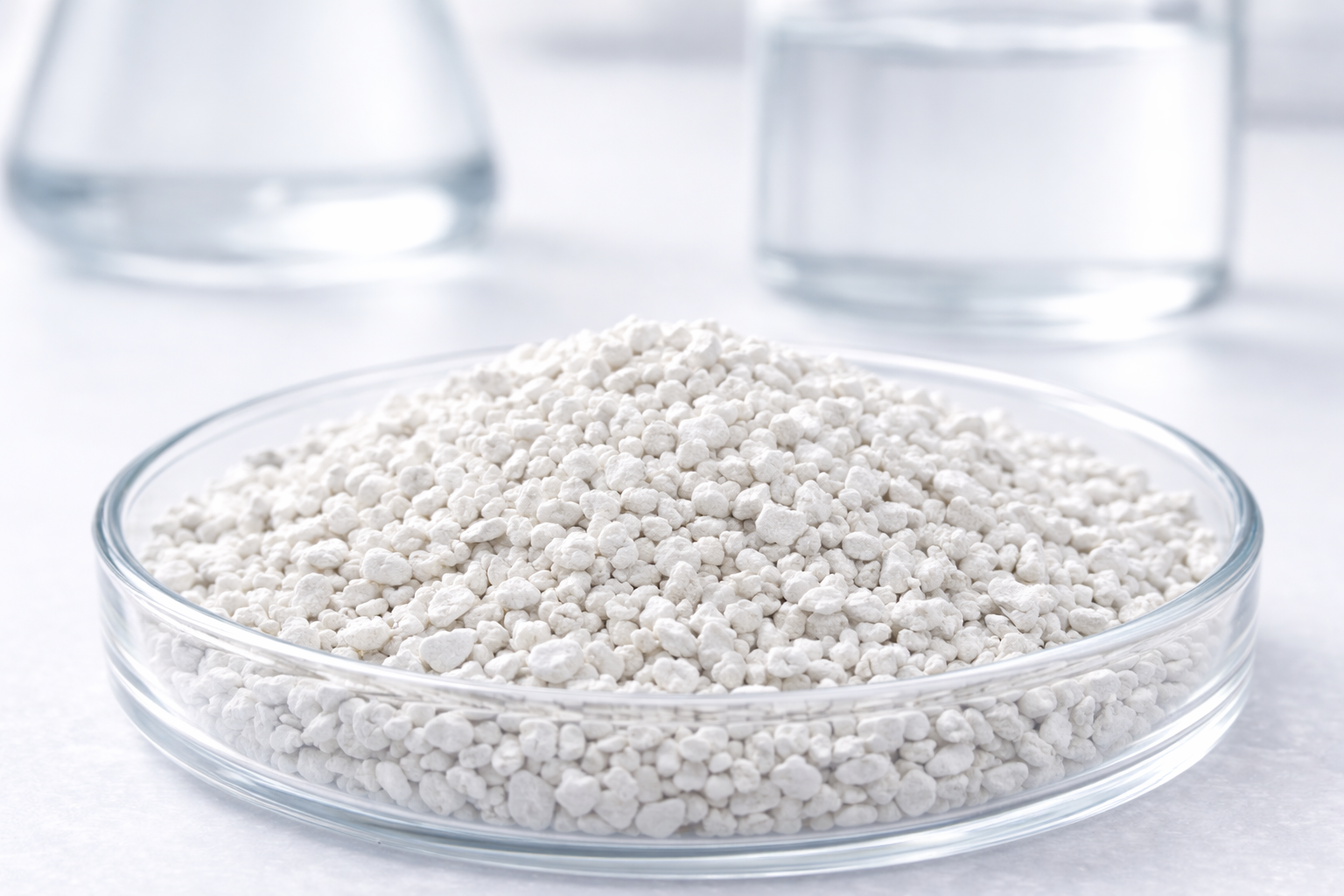
Zinc oxide is a key additive in rubber and elastomer applications, primarily used as an activator in vulcanization systems. It plays a critical role in sulfur curing processes, enabling efficient cross-linking and improving the mechanical performance of rubber compounds.Zinc oxide for rubber applications contributes to processing stability, controlled curing behavior and consistent compound quality. It is widely used in tires, technical rubber goods, seals and elastomer-based components.Controlled purity, specific surface area (BET) and defined particle size distribution ensure predictable performance in rubber and elastomer formulations.Zinc oxide is commonly used in rubber manufacturing and elastomer production as a vulcanization activator.
Key Requirements
Application-Specific Surface Area (BET)
The surface area of zinc oxide influences its reactivity in curing systems. Controlled BET values ensure predictable vulcanization behavior and balanced compound processing.
Stable Particle Size Distribution
Uniform particle size distribution supports efficient dispersion within rubber compounds, improving compound homogeneity and mechanical performance.
Controlled Reactivity in Vulcanization
Zinc oxide acts as an activator in sulfur curing systems. Controlled reactivity ensures consistent cross-link formation and reliable curing performance.
Consistent Quality for Compound Processing
Rubber production requires stable raw material quality to ensure consistent compound formulation, predictable processing behavior and reproducible final properties.
Typical Properties
Zinc oxide for rubber and elastomer applications typically offers high purity with controlled surface area (BET) and defined particle size distribution. It supports predictable curing activation, efficient compound processing and consistent mechanical performance in finished rubber products.
- Regulatory Sensitivity
- Non-regulated