GLASS
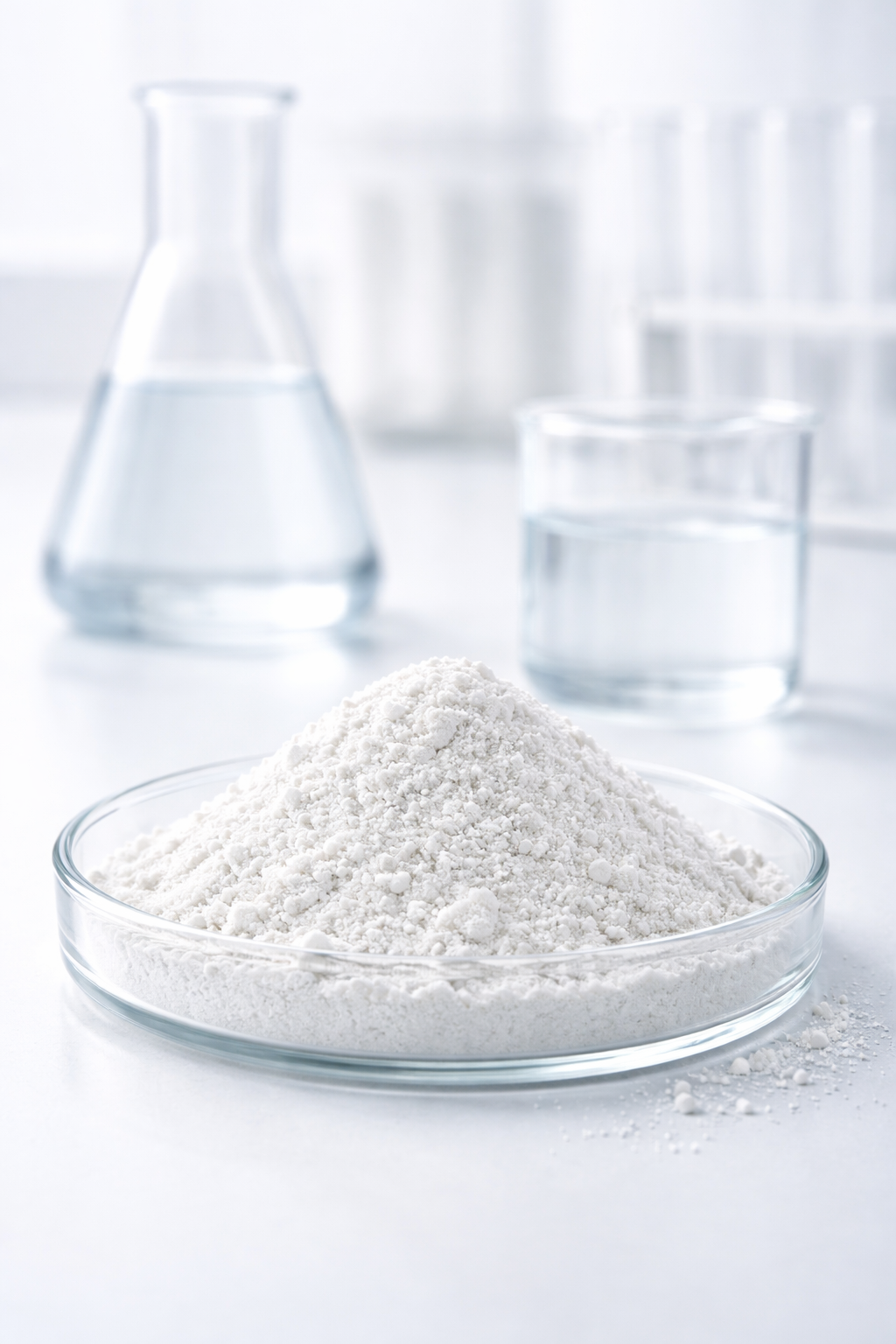
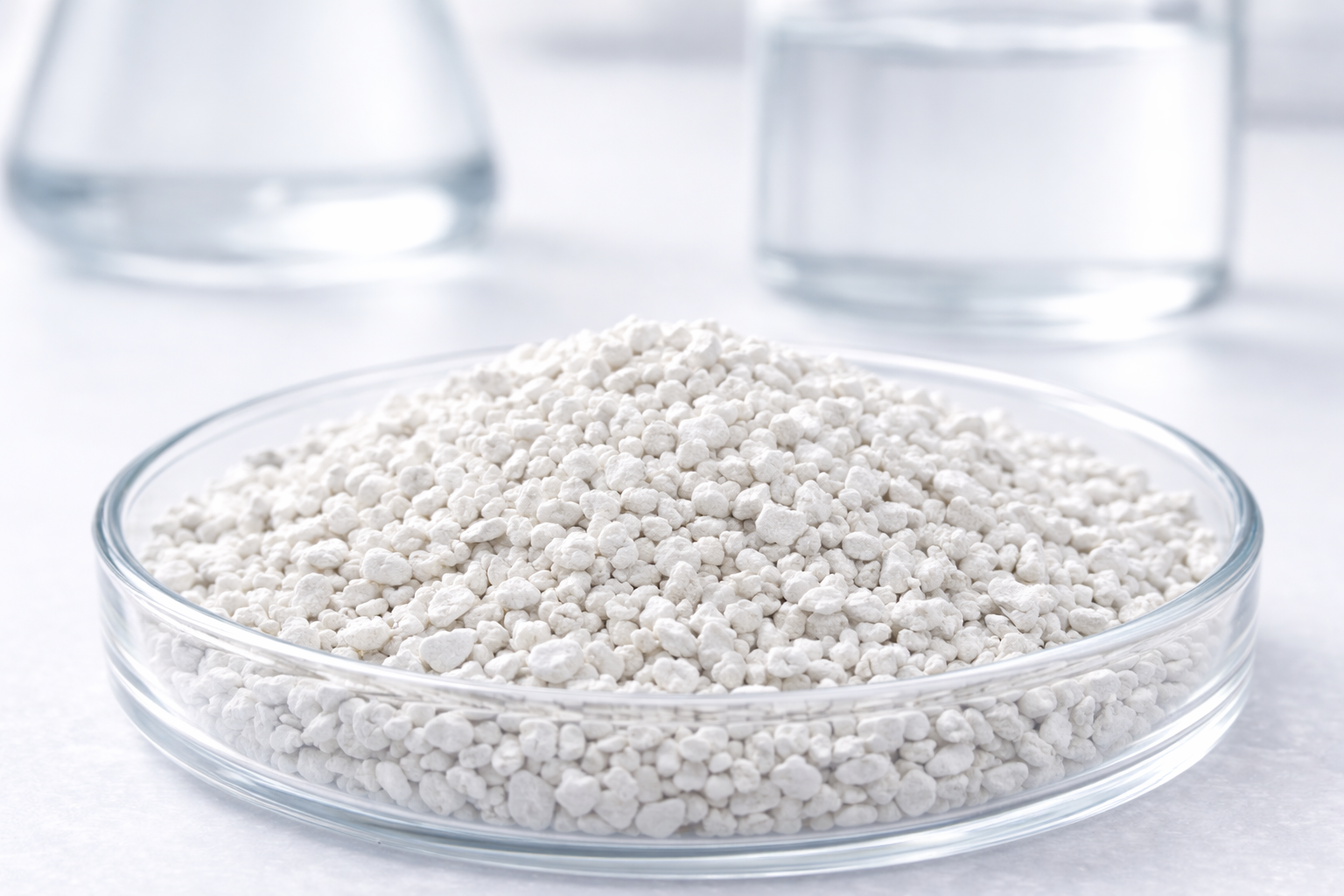
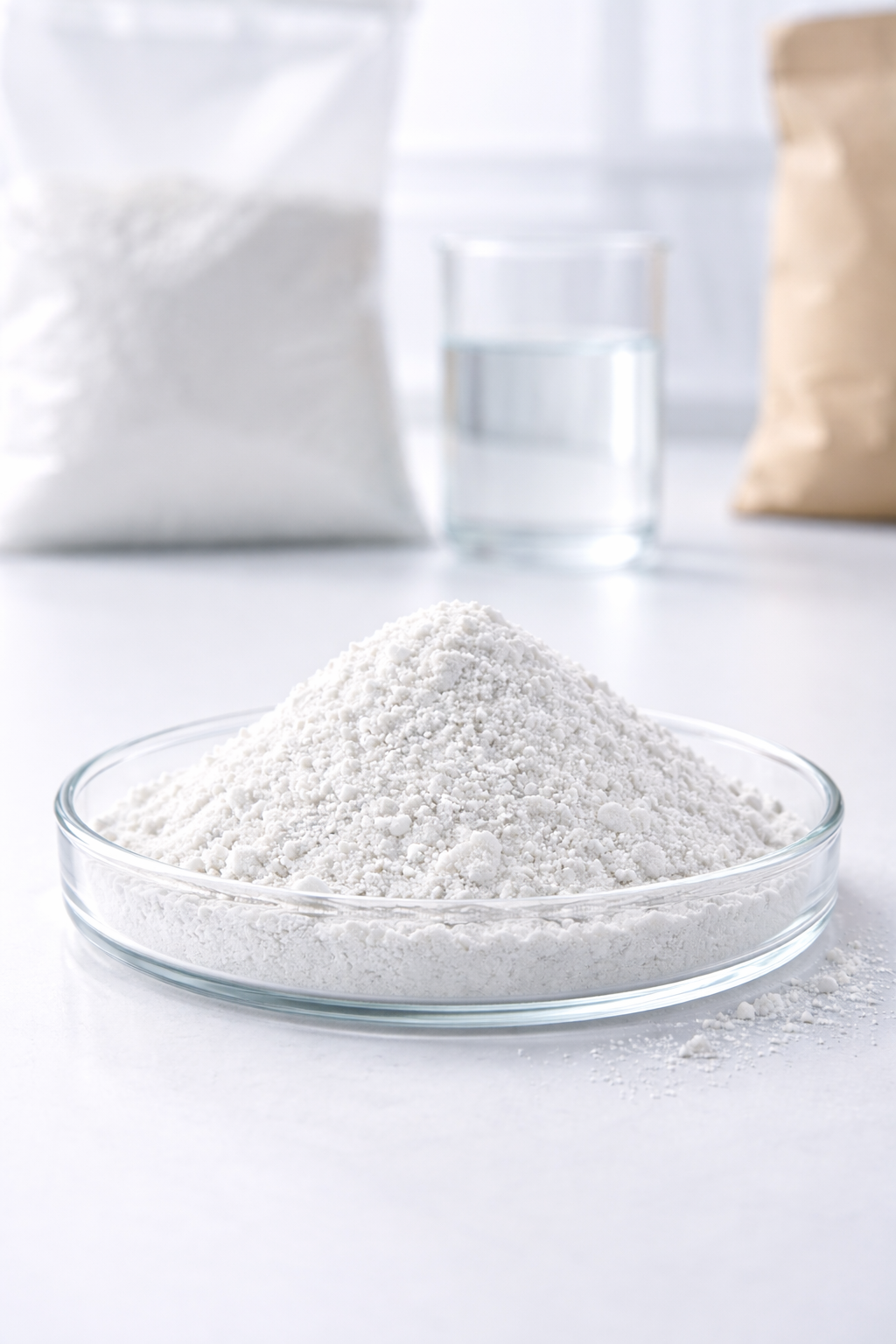
Zinc oxide plays an important role in specialty glass formulations, where it contributes to thermal stability, chemical durability and improved optical properties. As a functional oxide component, ZnO can act as a fluxing agent and network modifier, supporting controlled melting behaviour and enhanced glass performance. It is widely used in industrial glass, ceramic glazes and specialty glass systems, where controlled purity and consistent particle characteristics are required for stable processing and reliable product quality.
Key Requirements
High thermal stability
Glass formulations require oxide materials capable of maintaining thermal stability and structural integrity during high-temperature melting processes.
Controlled chemical composition
A tightly controlled impurity profile ensures predictable melting behavior and stable glass network formation, supporting consistent product quality.
Low heavy metal content
Low trace metal levels help prevent coloration effects and optical defects in sensitive glass applications.
Consistent Particle Characteristics
Uniform particle size distribution supports homogeneous dispersion and controlled melting characteristics during glass production.
Typical Properties
Industrial zinc oxide used in glass formulations typically contains high ZnO purity with controlled trace metal levels and defined particle morphology, supporting stable melting behavior, improved glass structure and consistent production performance.
- Regulatory Sensitivity
- Non-regulated